

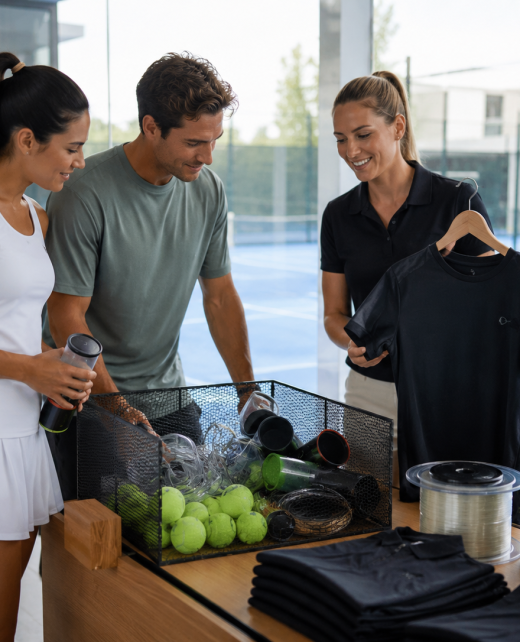
Circularity only matters when it can be collected, transformed, measured and explained.
From sport waste to measurable textile impact
Aurevium connects sport waste collection, recycling routes, textile transformation and responsible impact communication through a controlled circular process.
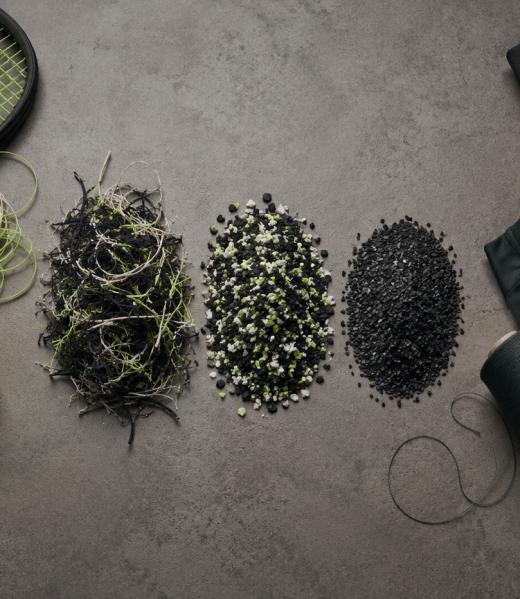
Circularity starts with real waste streams
For Aurevium, circularity is not an abstract claim.
It starts with selected sport waste collected from clubs, events, brands and partners. That waste is then reviewed, sorted and connected to the most appropriate recycling and textile transformation route.
The objective is to turn materials that would otherwise be treated as end-of-life waste into new textile value: yarns, fabrics, garments or circular product programs.
Aurevium turns sport waste into a textile resource.
Not every material follows the same route. Not every waste stream can become a garment. Each project must be assessed according to material type, volume, quality, geography, available recycling technology and final application.
This is why Aurevium focuses on controlled circular routes rather than vague recycling promises.
Add Your Heading Text Here
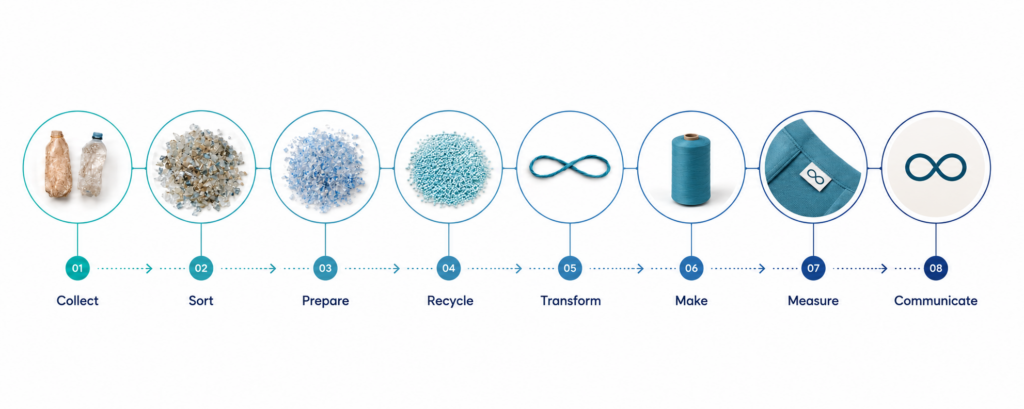
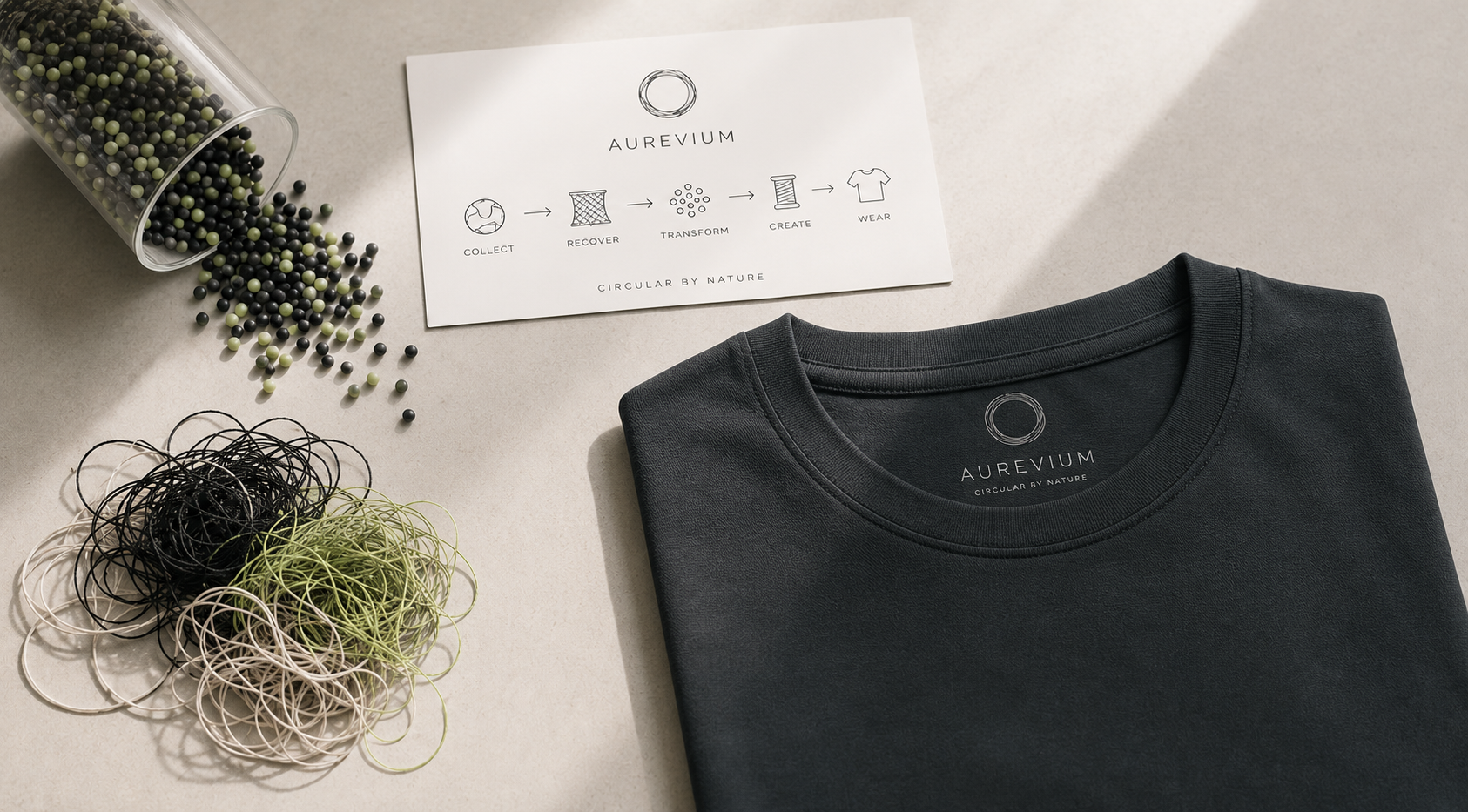
Aurevium connects the different steps required to move from collected sport waste to textile applications.
This journey can vary by material and project, but the logic remains the same: collect, validate, transform, measure and communicate responsibly.
Collect selected sport waste
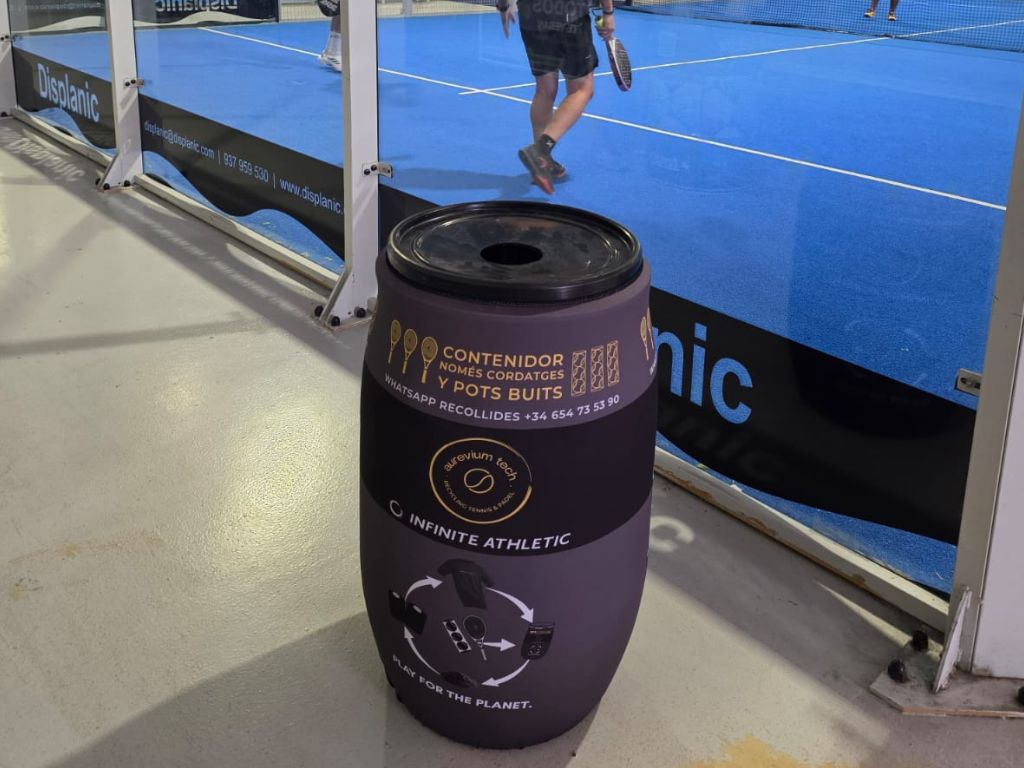
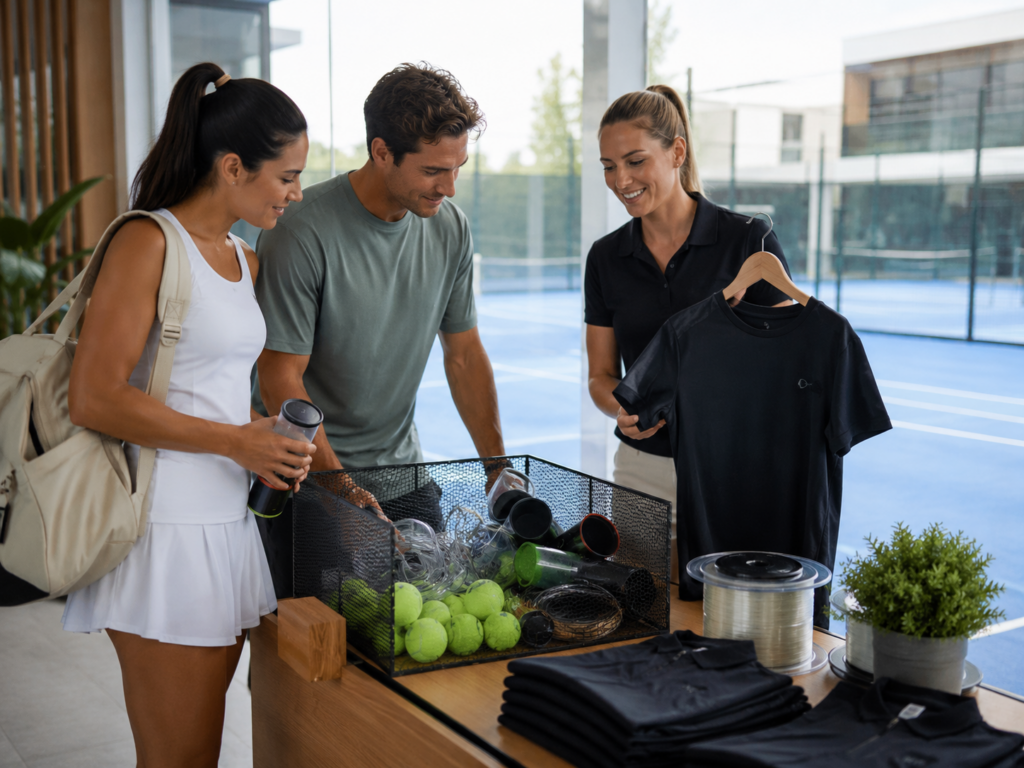
Aurevium works with clubs, events, brands and partners to collect selected sport-related waste streams.
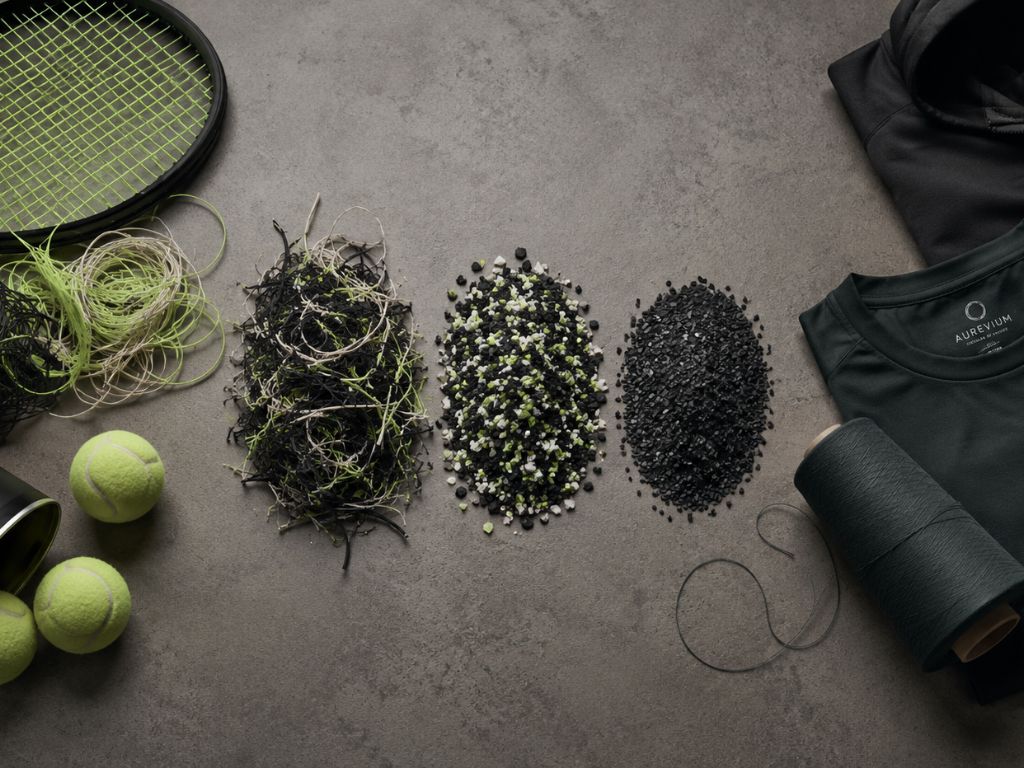
These may include tennis strings, padel-related materials, sport textiles, packaging, event waste or other materials subject to technical feasibility.
Output of this step
Identified waste stream
Collection source
Estimated volume
Initial feasibility review
Separate materials by type and feasibility
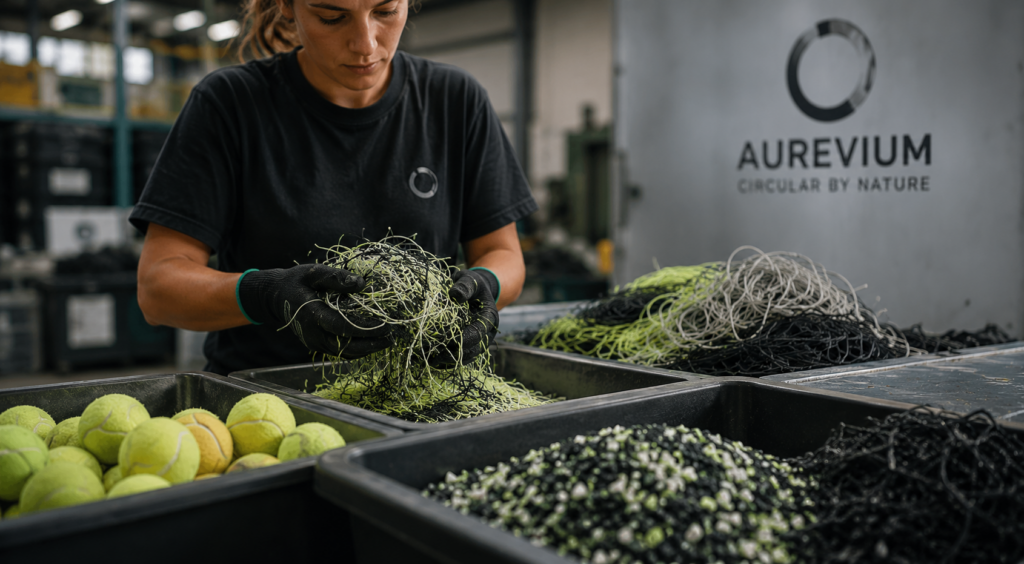
Collected materials are reviewed and separated according to type, composition, condition and potential recycling route.
Sorting is essential because circularity depends on material quality. Contaminated, mixed or unknown materials may not be suitable for the intended transformation.
Output of this step
Material classification
Quality assessment
Rejected or accepted streams
Preparation plan
Prepare waste for the right recycling route
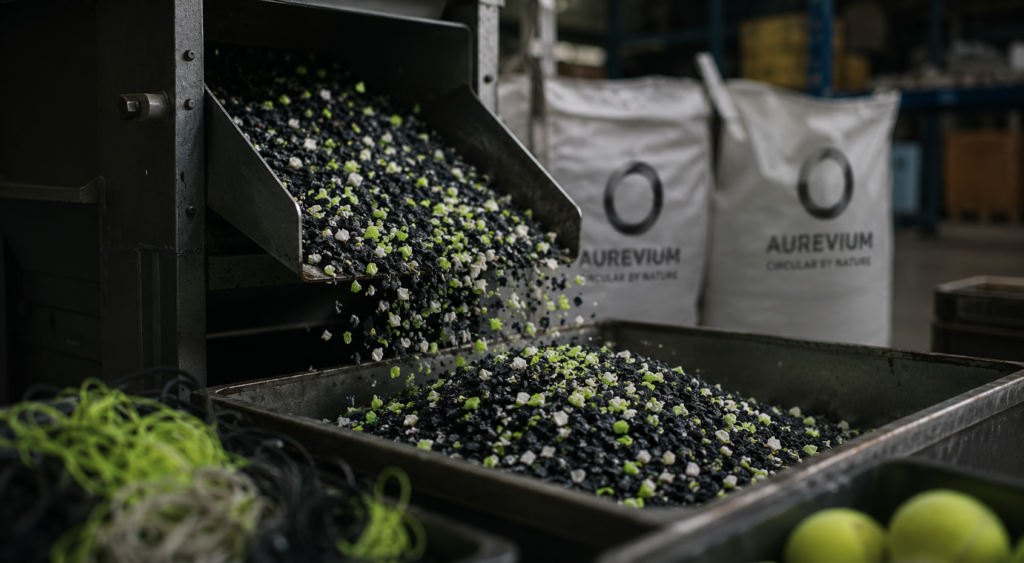
Once a waste stream is validated, it must be prepared for the next stage. This may include cleaning, separation, cutting, shredding, aggregation or other preparation steps depending on the material.
The goal is to make the waste usable for a recycling or textile transformation partner.
Output of this step
Prepared material stream
Improved processability
Defined logistics route
Partner-ready material
Connect waste to recycling partners
Validated materials are directed to the most appropriate recycling process available for the project.
Depending on the material, this may involve mechanical recycling or other recycling routes through specialized partners.
The recycling route is defined case by case according to material composition, technical feasibility, scale and final use.
Output of this step
Recycled input
Material transformation route
Technical feasibility confirmation
Recycled-content opportunity
Turn recycled input into textile material
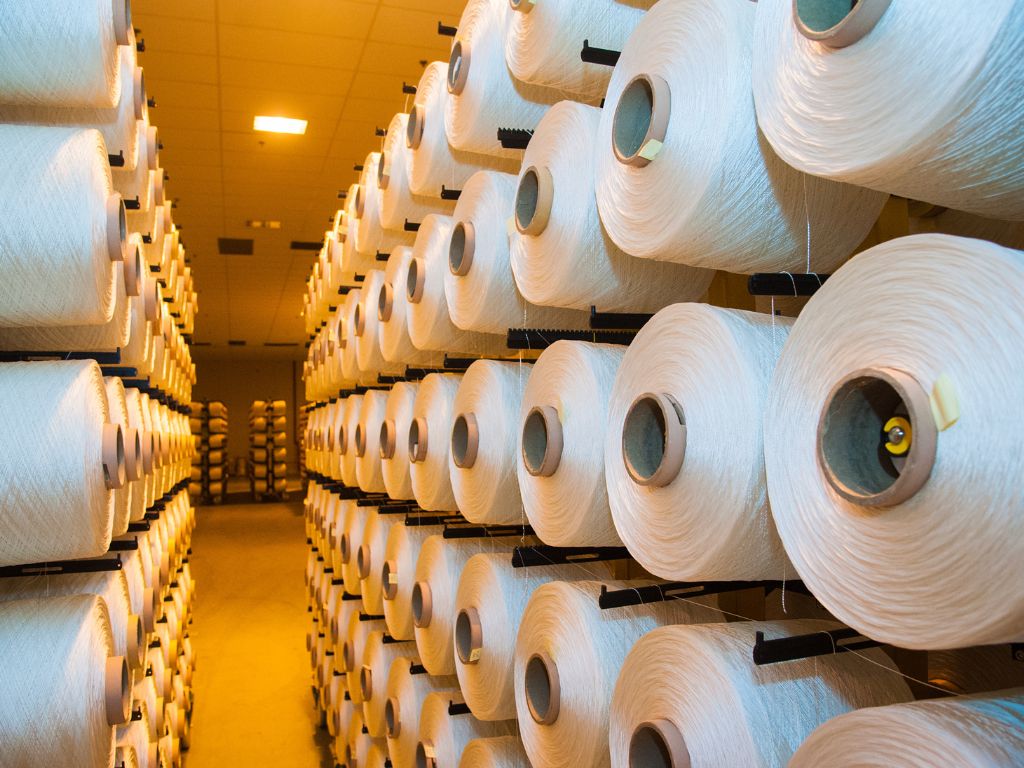
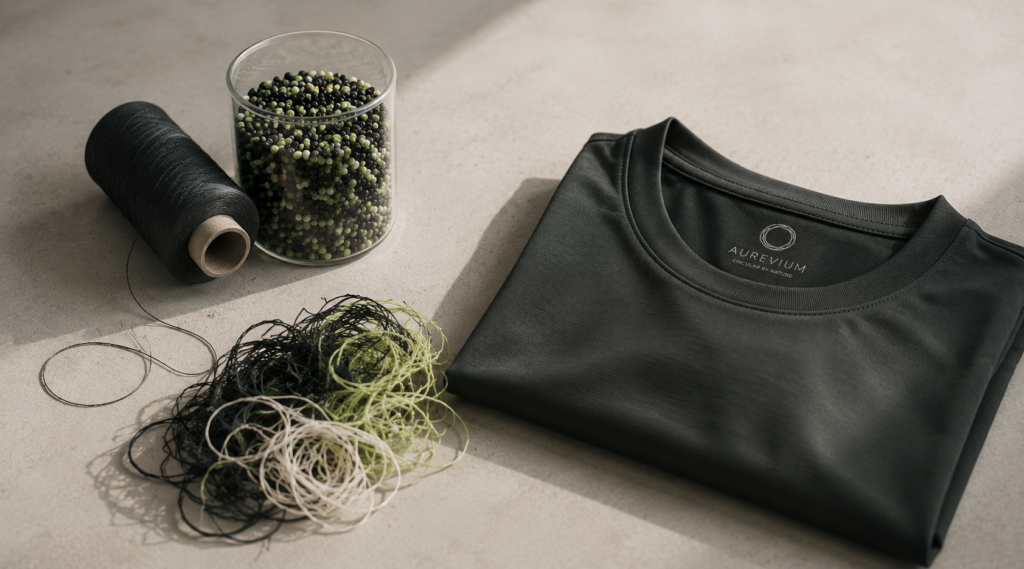
Where technically possible, recycled input can be transformed into textile formats such as yarn or fabric.
This is where the material begins to move from waste management into textile development.
Output of this step
Yarn route
Fabric route
Material specification
Development samples, where available
Create textile products
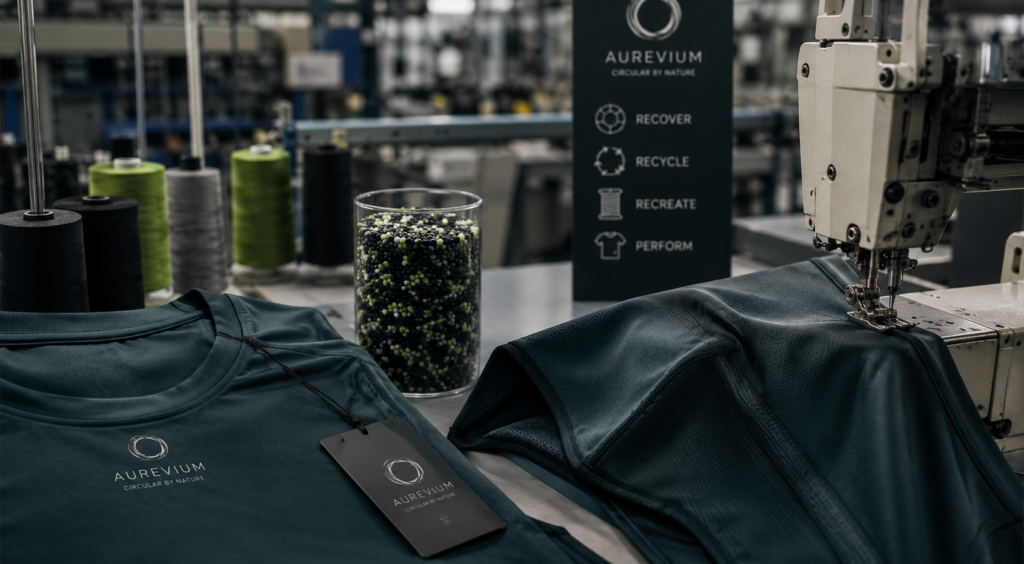
The material route can then be used to create finished textile products such as T-shirts, polos, caps, uniforms, teamwear, event merchandise or circular capsule collections.
The final product depends on performance requirements, available material, production feasibility, volume and partner objectives.
Output of this step
Finished garment
Club product
Brand product
Event merchandise
Circular textile program
Measure what can be measured
Aurevium supports impact communication with available project data.
This may include waste collected, waste transformed, recycled content, traceability information, and environmental impact methodology where available.
Impact should be based on evidence, not assumption.
Output of this step
Collection data
Transformation data
Recycled-content information
Impact indicators
Traceability documentation
Communicate circularity responsibly
Aurevium helps partners explain the material journey with clear and responsible language.
The goal is to communicate what happened, what was measured and what can be supported — without exaggeration or unsupported claims
Output of this step
Partner story
Claim guidance
Communication assets
Impact summary
Ingredient-brand support, when applicable
Traceability from collection to textile output
Traceability is essential for credible circular textile projects.
Aurevium aims to document where the waste comes from, how it is processed and how it becomes part of a new textile product.
This helps brands, clubs and sustainability teams communicate with confidence and reduce the risk of unsupported claims.
Traceability can include
Waste source
Collection location
Collection partner
Material type
Collection date or period
Sorting and preparation route
Recycling partner
Textile transformation route
Yarn, fabric or garment output
Project or batch reference
Supporting documentation
Claim-use guidance
Why traceability matters
For brands
It supports responsible product communication and gives internal teams clearer evidence for sustainability claims.
For clubs
It shows that collected waste is part of a documented circular textile journey.
For sustainability teams
It helps connect material origin, recycled content, transformation route and reporting value.
For product developers
It clarifies how the material route relates to performance, composition and production feasibility.
FAQ
Circularity & Impact FAQ
Can all sport waste be recycled into textiles?
No. Each waste stream must be assessed according to composition, quality, contamination, volume, geography and available recycling routes.
Aurevium prioritizes technically feasible routes over vague recycling promises.
Does all collected waste become garments?
Not necessarily. Some materials may be suitable for textile transformation, while others may require alternative recycling routes or may not be suitable at all.
The final route depends on the material and the project.
Can Aurevium provide CO2, water or energy savings?
Aurevium can provide impact information where methodology, data and comparison basis are available.
Environmental savings should only be communicated when they are supported by credible assumptions and documentation.
Can brands use Aurevium claims on products?
Yes, subject to agreement, documentation and claim validation.
Aurevium can support responsible communication around recycled sport materials, traceability and circular textile transformation.
Can clubs communicate their participation?
Yes. Clubs can communicate that they are part of the Aurevium community or Club Loop, provided the communication reflects what is actually being collected and processed.
Is Aurevium a certification?
Aurevium is an ingredient brand and circular textile program. It is not automatically a certification.
Where relevant, Aurevium can provide supporting documentation, traceability information and claim-use guidance.
What information is needed to assess a project?
Aurevium needs to understand the waste stream, product objective, volume, geography, timeline, required performance, certification needs and sustainability communication goals.